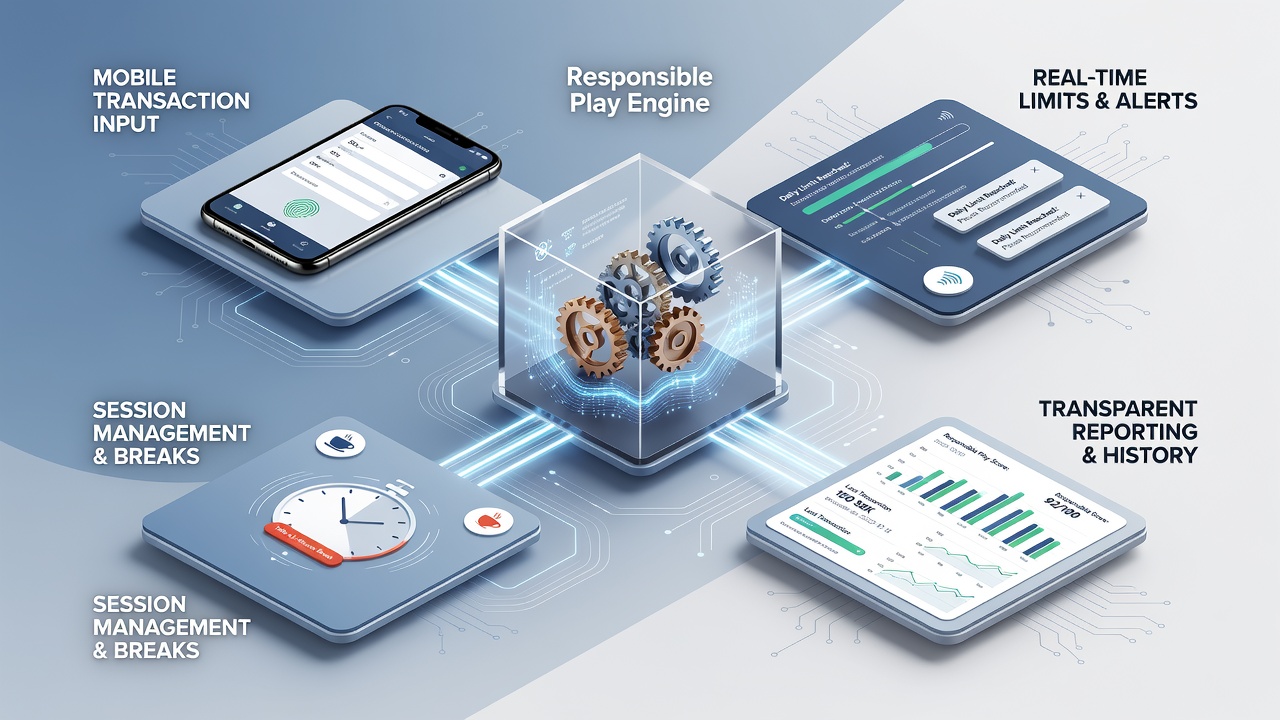
Inside the Mechanics of Responsible Play Features Linked to Mobile Transactions in Scandinavian Gaming Apps
Scandinavian gaming apps have developed intricate systems that tie responsible play tools directly to mobile payment flows, creating automated safeguards that activate based on transaction patterns. These mechanisms operate through real-time data exchange between payment processors and app servers, where deposit limits, loss thresholds, and session timers sync with each financial interaction. In Sweden, Norway, Denmark, and Finland, operators must embed these features to comply with national licensing rules that require proactive intervention before excessive play escalates.
Regulatory Foundations Shaping Transaction Safeguards
National authorities across the region enforce standards that require gaming platforms to monitor every mobile transaction for signs of risk, and data collected in late 2026 shows increased integration of these rules into app code. Swedish regulations demand that operators set default deposit caps while allowing users to adjust them through secure authentication, whereas Norwegian rules emphasize immediate blocking of further deposits once a personal limit is reached. Danish frameworks add another layer by requiring apps to pause transactions when cumulative losses hit preset amounts, and Finnish guidelines focus on cross-device tracking to prevent users from bypassing limits via multiple accounts.
These rules create a unified approach where payment gateways like Swish, Vipps, and MobilePay serve as the first checkpoint. When a user initiates a deposit, the app queries the responsible play database before authorizing the transfer, and this process happens within milliseconds to avoid disrupting the user experience.
Technical Integration Between Payments and Play Controls
Developers link transaction APIs directly to responsible gambling modules so that each incoming or outgoing payment updates the player's risk profile in real time. For example, when a deposit exceeds 80 percent of a daily limit, the system triggers a notification that appears before the payment completes, giving the user a chance to cancel. Algorithms also adjust limit recommendations based on historical spending velocity, and this adjustment draws from aggregated anonymous data across similar user profiles in the same region.
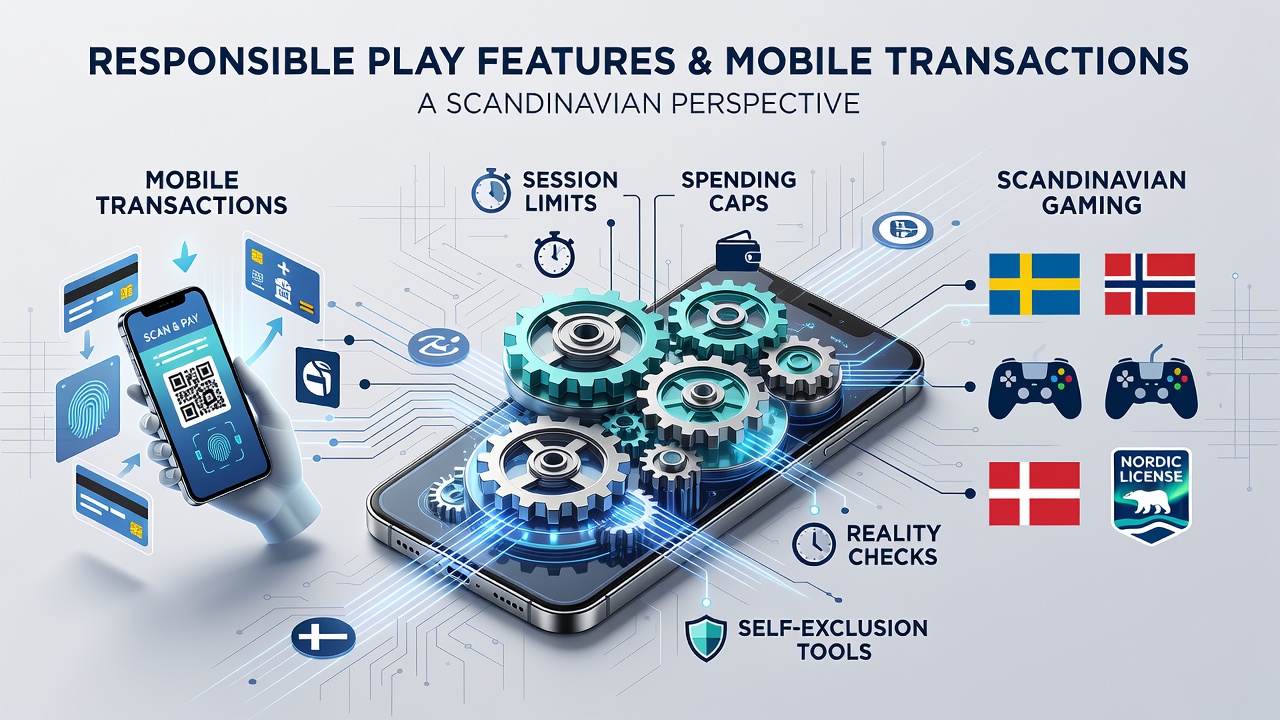
Reality checks that interrupt gameplay often coincide with transaction events, such as after every fifth deposit or when a time-based limit approaches. In November 2026, several major apps rolled out enhanced synchronization that pauses live game streams the moment a spending cap nears, forcing users to review their activity before proceeding with another transfer. This approach uses server-side logic to prevent local device tampering and ensures consistent enforcement regardless of operating system.
Examples of Feature Implementation Across Markets
One Norwegian operator introduced a system that maps each Vipps deposit to a dynamic cool-off period calculated from the user's recent transaction frequency, and this feature reduced repeat deposits within short windows according to internal platform logs. In Denmark, apps now embed loss-limit triggers that automatically lower maximum bet sizes when cumulative losses reach 60 percent of the set threshold, and this adjustment occurs without requiring user confirmation to maintain the safeguard's effectiveness.
Swedish platforms have tested transaction-linked self-exclusion prompts that appear when deposits show patterns matching high-risk profiles identified in academic studies, while Finnish apps focus on multi-app coordination so that limits set in one title apply across all titles from the same provider. Observers note that these variations reflect local regulatory emphasis yet share the common goal of embedding protection at the payment layer rather than relying solely on voluntary user action.
Data Patterns Observed in 2026
Platform reports compiled through November 2026 indicate that users who engage with transaction-based alerts tend to adjust their deposit behavior within the first two sessions after receiving a warning. Aggregated figures reveal a measurable drop in average session length when spending caps connect directly to payment authorization, and this pattern holds across both slot and table game categories. Researchers from Nordic institutions continue to analyze these outcomes to refine prediction models that forecast when a player might exceed personal thresholds.
Payment providers have begun sharing anonymized velocity data with licensed operators, allowing earlier detection of rapid deposit sequences that might signal loss-chasing. This collaboration remains strictly governed by data protection rules that prohibit sharing of identifiable information, yet it supplies enough aggregate insight for apps to calibrate their intervention timing more precisely.
Conclusion
The linkage between mobile transactions and responsible play features in Scandinavian gaming apps continues to evolve through regulatory updates and technical refinements. As payment systems become more sophisticated, the precision of automated safeguards improves, creating a framework where financial activity itself serves as an ongoing monitor for healthy play. Future iterations will likely expand these connections while maintaining compliance with each country's distinct licensing requirements.