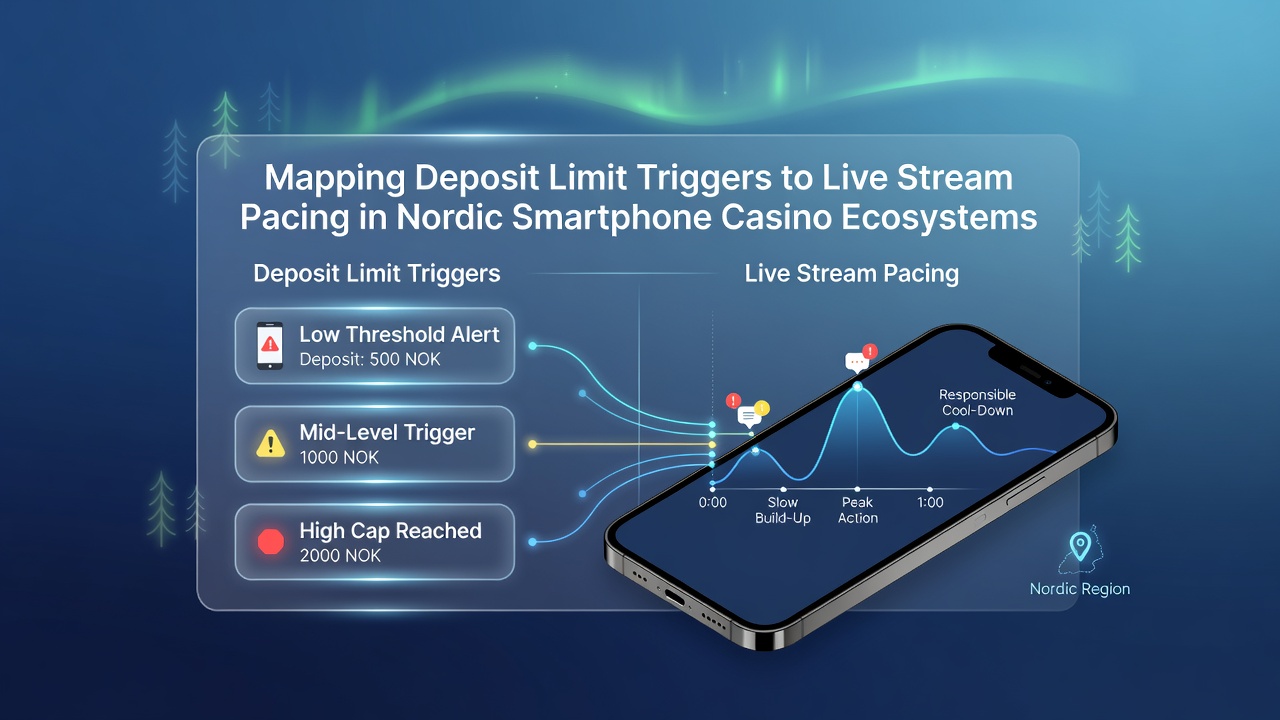
Mapping Deposit Limit Triggers to Live Stream Pacing in Nordic Smartphone Casino Ecosystems
Deposit limit systems in Nordic smartphone casino platforms connect directly to live stream pacing controls through automated trigger protocols that adjust game flow based on player spending thresholds. These mechanisms operate within regulatory frameworks established across Sweden, Norway, Denmark, and Finland where mobile gambling accounts for over 70 percent of total activity according to data compiled by national oversight bodies. Researchers at institutions tracking digital gambling patterns have documented how deposit caps activate adjustments in stream timing, dealer actions, and visual pacing to align with responsible play requirements.
Core Components of Deposit Limit Integration
Deposit limits function as predefined monetary caps set by players or mandated through operator systems, and when these thresholds activate the software transmits signals to live streaming modules that manage real-time casino feeds. In smartphone ecosystems the integration relies on API connections between payment processors and content delivery networks, allowing instantaneous modifications to stream speed without interrupting the user session. Studies conducted by European research networks indicate that such mappings reduce rapid betting sequences by altering the interval between spins or card deals in streamed games, and this occurs most frequently on devices running iOS and Android operating systems prevalent in the region.
Engineers designing these systems map specific trigger points such as 80 percent or 100 percent of the daily deposit allowance to corresponding pacing changes that include slower dealer movements, extended reveal animations, or brief pauses between rounds. Observers note that these adjustments appear in both live dealer blackjack and roulette streams as well as simulated slot sessions broadcast through mobile applications. Data from September 2026 shows increased adoption of these mapped triggers following updates to Nordic licensing conditions that emphasized real-time player oversight tools.
Technical Mapping Processes in Live Environments
Live stream pacing relies on synchronized video buffers and game logic servers that receive input from deposit monitoring services. When a player approaches a limit the system evaluates variables including session duration, bet frequency, and remaining deposit allowance before issuing commands that modify stream parameters. Those who have examined Nordic platform architectures report that the mapping often uses tiered responses where partial limit crossings prompt minor slowdowns while full breaches trigger more substantial interruptions such as mandatory reflection periods displayed within the live feed.
Smartphone hardware capabilities influence how these changes manifest because device processors and network conditions affect the smoothness of pacing alterations. High-end models handle seamless transitions between normal and reduced speeds whereas older devices may experience visible buffering during adjustments. Industry reports compiled by gaming technology associations highlight that operators test these mappings extensively on popular Nordic carrier networks to maintain consistent performance across varying signal strengths.
Regulatory Context and Implementation Patterns
Nordic regulators require operators to maintain records of trigger activations and their effects on player behavior, which creates datasets used to refine mapping algorithms over time. In September 2026 several platforms reported expanded use of deposit-linked pacing after compliance reviews confirmed improved alignment with player protection standards. A study published by the Australian Gambling Research Centre examined similar integrations in comparable mobile markets and found that paced live streams correlated with measurable decreases in post-limit deposit attempts across sampled user groups.
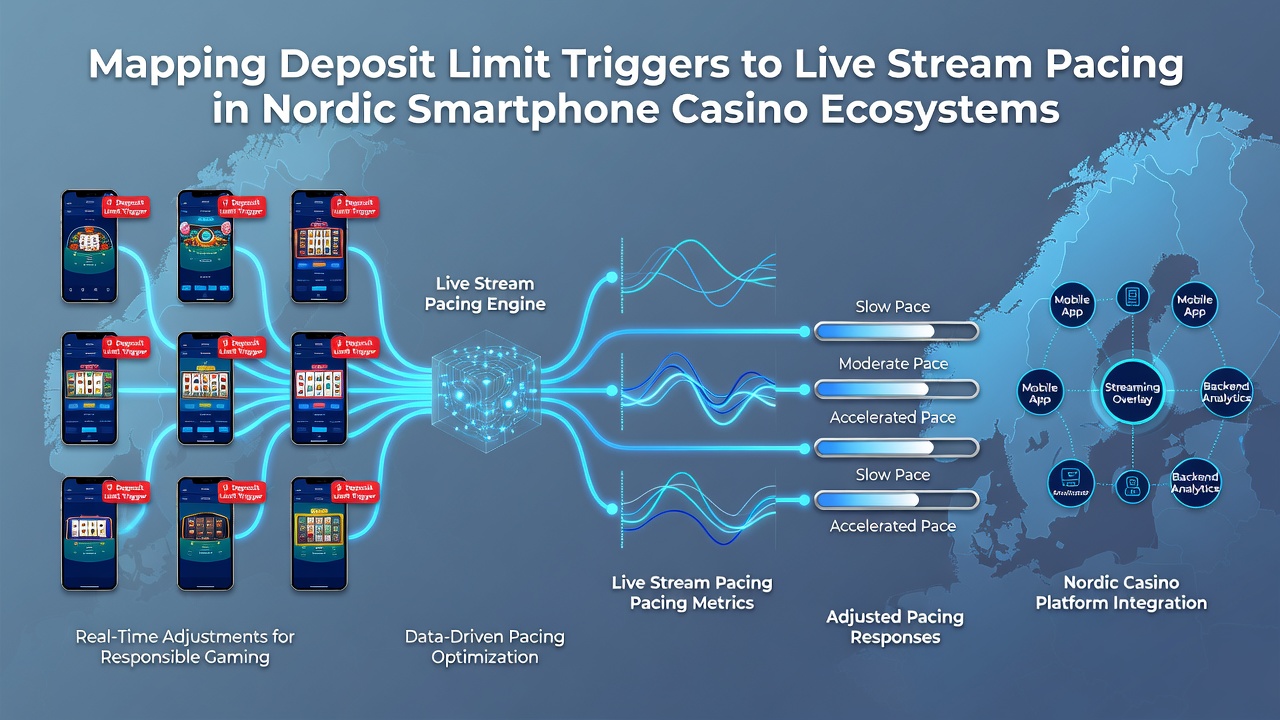
Implementation varies by operator yet common elements include real-time dashboards that display current pacing status alongside deposit meter readings. Players receive visual cues within the stream window such as subtle color shifts or progress indicators that correspond to their limit proximity. Those analyzing these ecosystems observe that the approach integrates with broader session management features already present in many Nordic applications.
Observed Outcomes from Platform Data
Platform analytics collected during 2026 reveal that mapped deposit triggers influence average session lengths particularly in live streamed environments where pacing adjustments extend time between decisions. European Commission documents on digital gambling tools reference the value of such interconnected systems for maintaining regulatory compliance across member states with strong mobile gambling sectors. Figures from Nordic operator consortia show that live stream modifications triggered by deposit events occur thousands of times monthly yet represent a small fraction of total player interactions.
Developers continue to refine the mapping logic by incorporating additional data points such as time of day and device location to create more context-aware pacing responses. This evolution occurs alongside updates to smartphone operating systems that affect how background processes handle real-time gambling feeds and limit monitoring simultaneously.
Conclusion
The mapping of deposit limit triggers to live stream pacing represents a technical intersection of financial controls and content delivery within Nordic smartphone casino platforms. Evidence from regulatory records and platform metrics demonstrates that these connections function through established API frameworks and produce measurable adjustments in game flow. Continued monitoring by oversight bodies and research organizations provides ongoing data on how such systems operate across different devices and network conditions in the region.