Provider Strategies for Embedding Session Alerts into Slot Mechanics and Live Streams via Swedish Mobile Payment Systems
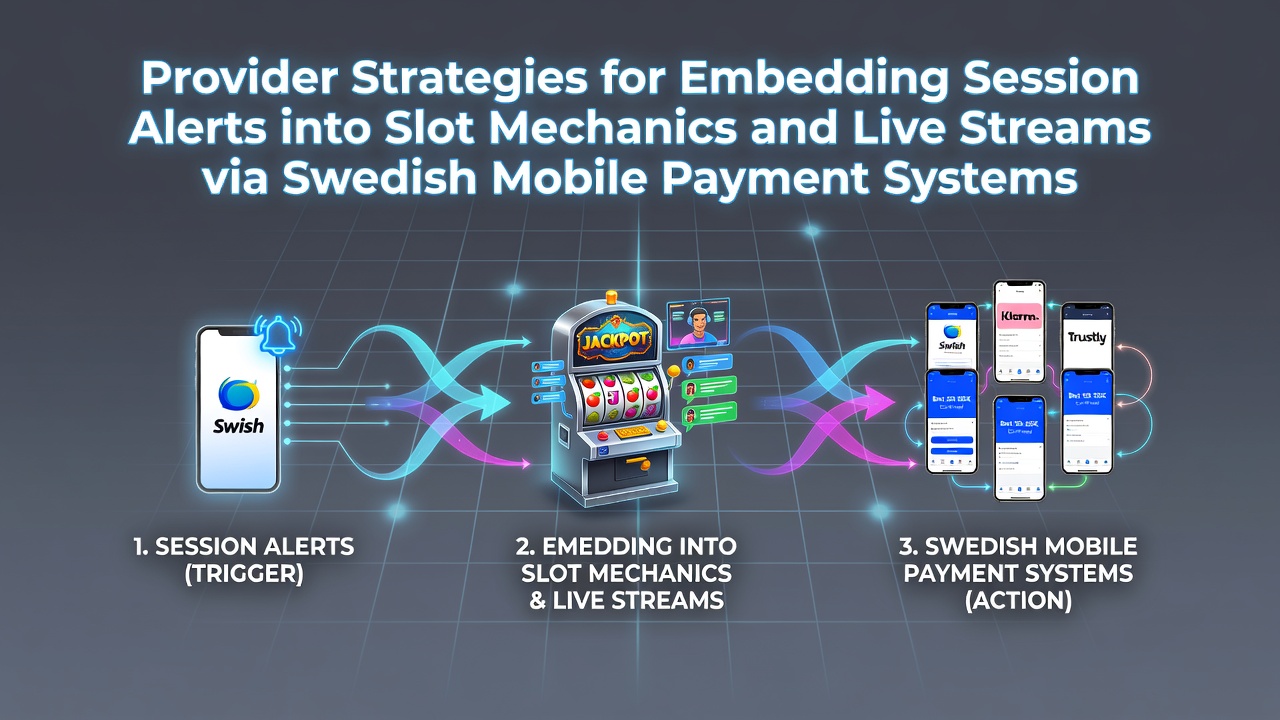
Swedish mobile payment systems have become central to how gambling operators manage player sessions, with providers developing methods to tie session alerts directly into slot mechanics and live stream interfaces. These approaches rely on real-time data from payment platforms such as Swish to monitor activity, trigger notifications, and enforce limits without disrupting gameplay flow. Operators integrate these tools at the code level so that deposit events and transaction timestamps activate alerts based on predefined thresholds for time spent or amounts wagered.
Core Integration Methods in Slot Mechanics
Providers embed alerts by linking slot game engines to mobile payment APIs, which allows session timers to start from the moment a deposit clears through the Swedish system. When a player initiates a transaction, the backend records the exact timestamp and begins tracking spin counts alongside elapsed minutes. Alerts then appear as overlay notifications on the reels, pausing the interface briefly to display remaining session time or accumulated spend. This method ensures alerts activate only after verified payments, reducing false triggers that could occur with prepaid balances.
Data from September 2026 shows increased adoption of these embedded systems across multiple platforms operating under Swedish regulations. The approach uses event listeners within the slot software to poll payment status every few seconds, enabling dynamic updates that reflect current session parameters without requiring separate user logins for each alert.
Application in Live Stream Environments
Live casino streams present different challenges because they involve continuous video feeds and real-time dealer interactions. Providers address this by synchronizing alert systems with the payment gateway so that session data overlays appear as semi-transparent banners across the stream window. When a mobile payment processes, the system cross-references it with ongoing stream metadata to calculate session duration and trigger warnings at set intervals, such as after 30 or 60 minutes of continuous play.
These overlays maintain visibility while preserving the live experience, and operators test them to confirm they do not interfere with chat functions or betting controls. Research indicates that synchronization between payment confirmations and stream timestamps improves alert accuracy, particularly during high-volume periods when multiple players interact with the same dealer feed.
Technical Architecture and Payment System Linkages
The architecture typically involves middleware that sits between the Swedish mobile payment provider and the gambling platform's core systems. This layer processes transaction events and maps them to session objects, which then feed into both slot logic and live stream rendering engines. Developers use secure API calls to retrieve payment status, ensuring compliance with data protection standards while maintaining low latency for alert delivery.
One common strategy includes mapping payment amounts to risk tiers that determine alert frequency, so larger or repeated deposits within a short window generate more frequent notifications. This mapping occurs server-side, allowing providers to adjust parameters across all connected games without updating individual client applications.
Regulatory Alignment and Reporting Mechanisms
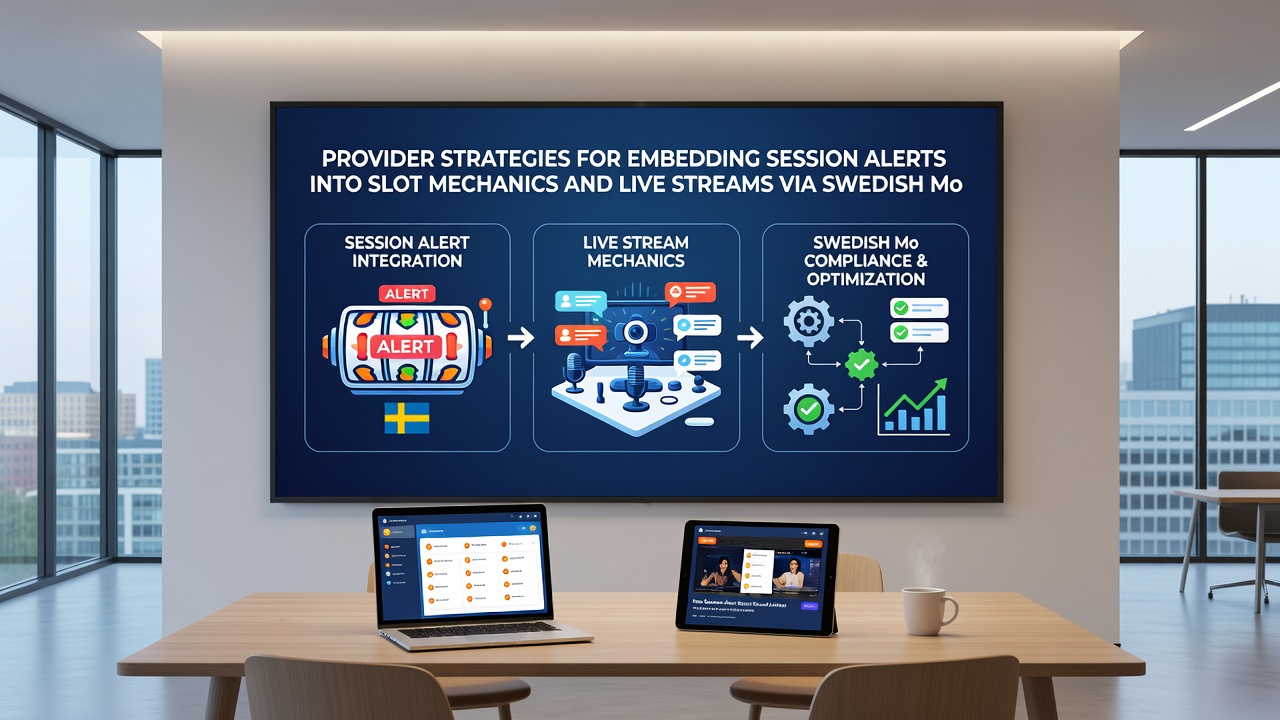
Swedish regulations require operators to maintain records of session alerts and their connection to payment activities. Providers build automated logging into the integration so that each alert event includes the associated payment reference and session identifier. These logs support compliance audits and allow authorities to review how alerts influence player behavior over time.
According to Spelinspektionen, operators must demonstrate that alert systems activate consistently across payment channels. The requirement has led providers to implement fallback mechanisms that trigger alerts even if the primary mobile payment link experiences brief delays.
Testing and Optimization Practices
Providers conduct phased testing where session alerts are first deployed in controlled environments before wider release. During these phases, teams measure alert response rates and session continuation patterns after notifications appear. Adjustments focus on timing and message content to align with observed payment flows in Swedish mobile systems.
Industry reports from sources such as the Australian Gambling Research Centre highlight parallel testing approaches in other jurisdictions, showing that payment-linked alerts tend to produce measurable differences in session length compared to generic reminders. Swedish operators apply similar evaluation frameworks to refine their implementations.
Conclusion
Providers continue to refine how Swedish mobile payment systems connect with slot mechanics and live streams to deliver session alerts. These strategies center on API integration, timestamp synchronization, and regulatory logging, creating a framework that ties financial transactions directly to gameplay monitoring. Ongoing developments in September 2026 reflect further adjustments to these systems as operators respond to updated technical standards and reporting expectations.