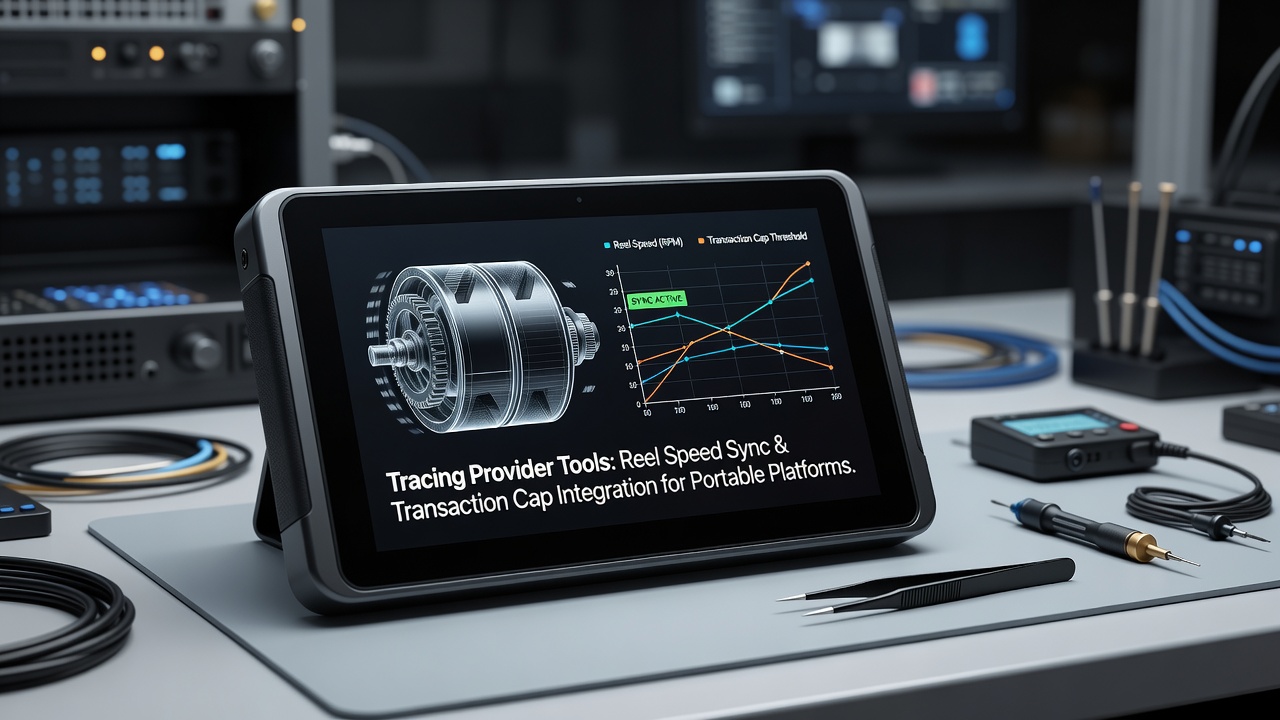
Tracing Provider Tools for Synchronizing Reel Speeds with Transaction Caps in Portable Entertainment Platforms
Portable entertainment platforms rely on provider tools that align reel rotation velocities with predefined transaction thresholds, and these systems operate through integrated APIs that monitor both visual output and financial processing in real time. Developers map animation frame rates to payment authorization windows so that reel sequences complete only after backend checks confirm available balances remain within established caps, while data logs capture each synchronization event for later analysis.
Core Components of Synchronization Tools
Provider suites typically combine timing engines with ledger interfaces, and these components exchange signals through standardized protocols that adjust spin durations based on cumulative transaction volumes. Engineers calibrate reel acceleration curves to match latency periods in mobile payment gateways, and the process ensures that visual feedback remains consistent even when network conditions fluctuate across different devices and regions. Observers note that such calibration reduces desynchronization errors by routing reel commands through conditional checkpoints that reference live cap data before each cycle initiates.
Technical Mechanisms in Action
Tracing utilities follow event streams from game clients to server-side validators, and they record timestamps for reel start, peak velocity, and stop phases alongside corresponding authorization requests. When transaction caps approach their limits, the tools trigger gradual deceleration sequences that extend spin times without interrupting user sessions, and this adjustment occurs through modular hooks that developers embed directly into the rendering pipeline. Research from Canadian gaming technology assessments shows these hooks maintain frame integrity while preventing overages, whereas European mobile platform studies highlight similar patterns in cross-device deployments completed during the first half of 2026.
Additional modules handle exception logging, and they compile traces that link specific reel events to transaction attempts that hit or exceed caps. Analysts review these compiled datasets to identify patterns in timing mismatches, and adjustments then propagate back to the core engines through automated update channels that providers release quarterly.
Implementation Across Mobile Ecosystems
Platform operators integrate these tools into native applications for iOS and Android environments, where reel rendering occurs alongside secure enclave processing for transaction data. The synchronization layer operates as a background service that queries cap status at microsecond intervals, and it feeds adjusted parameters directly to the graphics processor so visual pacing stays aligned with financial boundaries. Data from October 2026 deployments across North American carriers indicated a measurable drop in processing conflicts after full rollout of the latest provider patch sets.
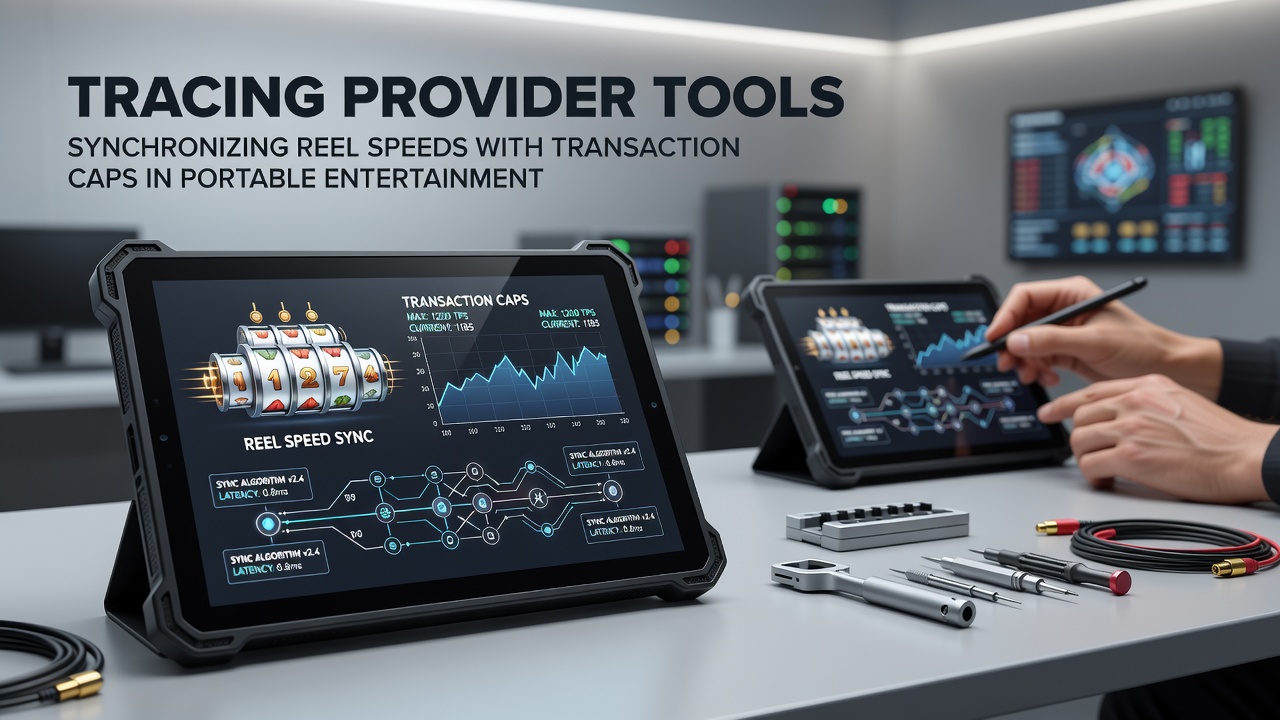
One Australian regulatory report on digital entertainment systems documented how similar architectures handled peak load periods without compromising either animation smoothness or spending limits, and those findings influenced subsequent updates in Asian and South American markets. Tracing functions also capture device-specific variables such as battery state and thermal throttling, since these factors can alter effective reel speeds and require compensatory adjustments at the cap interface.
Tracing and Verification Processes
Verification workflows begin with automated scripts that replay recorded sessions and compare expected reel timings against actual outputs while cross-checking transaction records. Discrepancies trigger alerts that route to engineering teams for root-cause examination, and the entire process runs within sandboxed environments that replicate production conditions. Industry organizations including the International Association of Gaming Regulators have published guidelines on maintaining audit trails for these synchronized operations, adn those guidelines emphasize timestamp granularity and immutable storage formats.
Providers continue to refine their tracing capabilities through iterative releases, and each iteration incorporates feedback from field data collected across diverse portable hardware configurations. The result supports consistent performance where reel speeds and transaction caps remain coordinated regardless of session length or geographic location.
Conclusion
Provider tools for reel and transaction synchronization represent a specialized layer within portable entertainment infrastructure, and ongoing tracing practices ensure alignment persists as platforms evolve. Continued documentation of these mechanisms supports reliable operation across expanding device ecosystems and regulatory landscapes.